How Do You Know If a Court Needs Resurfacing This Spring?
If you own or manage a tennis, basketball, or multi-sport court in Kansas City, spring is the ideal time to assess its condition. Winter weather can cause surface damage that affects safety, playability, and long-term durability. Identifying early signs of wear allows you to address issues before they become more expensive repairs.
This guide outlines how to determine if your court needs resurfacing and what steps to take next.
Why Spring Is the Best Time for Court Resurfacing in Kansas City
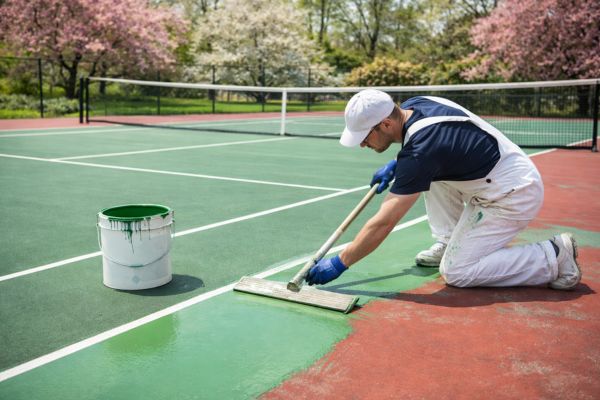
Spring offers consistent temperatures that allow coatings to properly cure and bond to the surface. Addressing damage early also prepares your court for increased usage during the warmer months.
Kansas City’s freeze-thaw cycles can lead to expansion and contraction of court materials, which accelerates cracking and surface breakdown. A spring inspection ensures your court is ready for the season ahead.
For guidance on sports surface standards, visit the American Sports Builders Association
Visible Cracks and Surface Damage
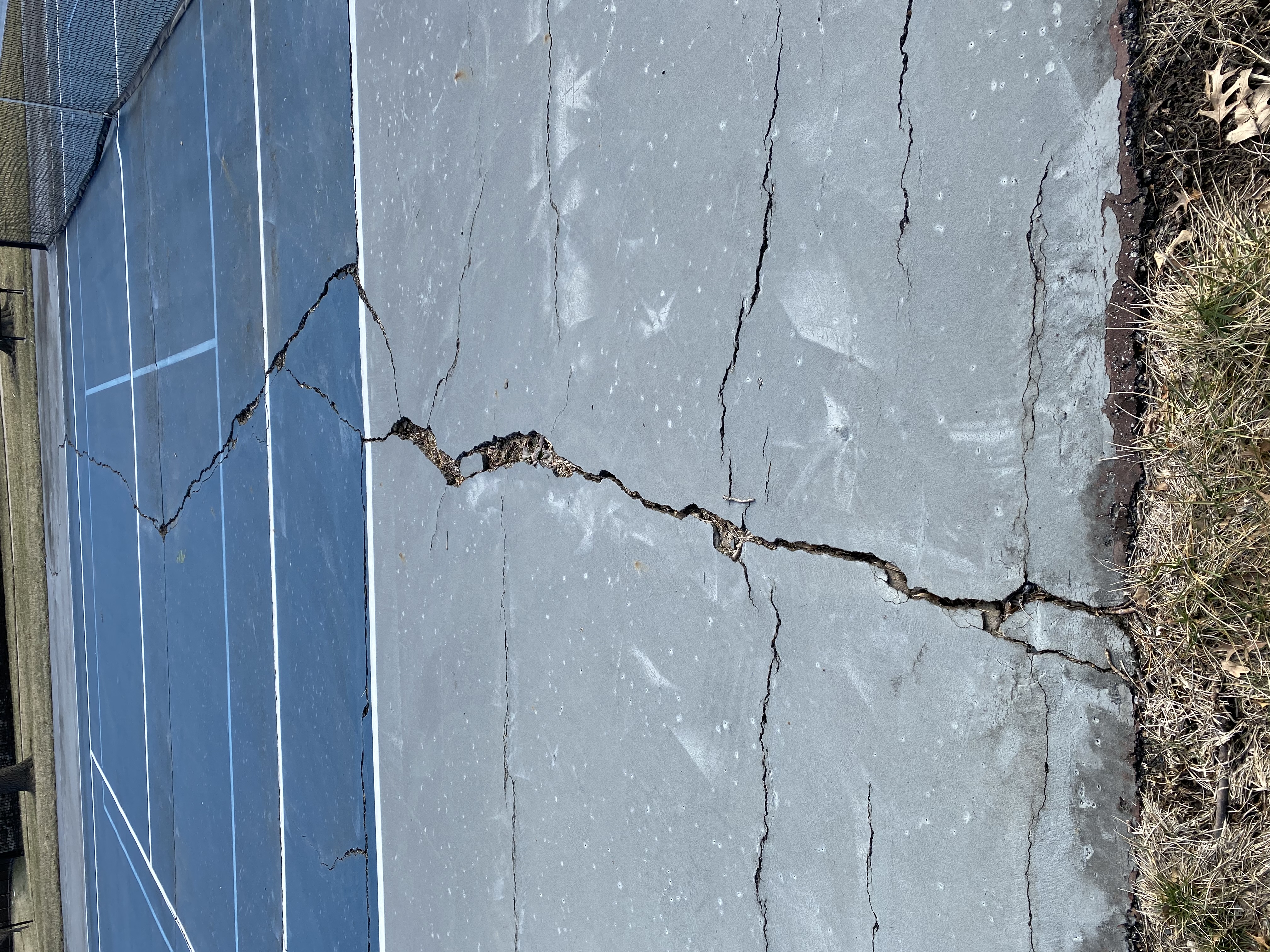
Cracks are one of the clearest indicators that resurfacing may be needed. Even minor cracks can allow moisture to penetrate the surface and weaken the base over time.
Common signs include:
Hairline cracks forming across the surface
Wider structural cracks that continue to expand
Spiderweb or alligator cracking patterns
If your court is showing these signs, it may be time to explore professional repair options.
Learn more about here
Fading Color and Worn Coating
Over time, UV exposure and weather conditions cause coatings to fade and wear down. This impacts both appearance and performance.
Look for:
Dull or uneven coloring
Bare spots where the coating has worn away
Faded or hard-to-see court lines
A resurfaced court restores color, improves visibility, and enhances overall play quality. Learn more about resurfacing here
Poor Drainage or Standing Water
Water should drain quickly from a properly functioning court. If puddles remain after rain, it may indicate low spots or structural issues.
Standing water can:
Accelerate surface deterioration
Create slip hazards
Lead to deeper foundation damage
Understanding proper drainage design is key. The Sports Builders Association provides helpful resources on this topic.
Learn more about here
Slippery or Unsafe Playing Conditions
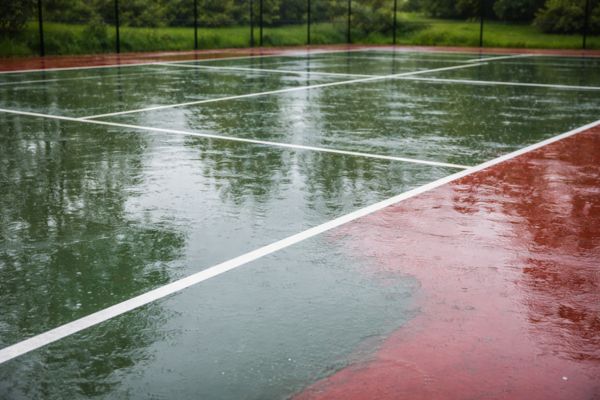
A court should provide consistent traction. If players are slipping or noticing uneven grip, the surface may be worn out.
Causes include:
Loss of surface texture
Aging coatings
Embedded dirt and debris
Resurfacing restores the proper grip and improves safety for all users. For additional safety considerations, refer to the U.S. Consumer Product Safety Commission
Surface Unevenness or Low Spots
Uneven surfaces can disrupt gameplay and increase injury risk. These issues are often caused by sub-base movement or long-term wear.
Watch for:
Low areas where water collects
Inconsistent ball bounce
Visible dips or surface warping
Addressing these issues early can prevent more extensive repairs later. Professional evaluation is recommended to determine whether resurfacing or reconstruction is needed.
Increased Maintenance and Frequent Repairs
If you are regularly patching cracks or addressing recurring issues, your court surface may have reached the end of its lifecycle.
Frequent maintenance often indicates:
Coating failure
Underlying structural concerns
Aging materials that no longer perform effectively
Instead of ongoing temporary fixes, a full resurfacing provides a long-term solution.
How Often Should Courts Be Resurfaced?
Most courts require resurfacing every 4 to 8 years, depending on usage and environmental exposure.
Factors that affect timing include:
Kansas City climate conditions
Frequency of play
Quality of initial installation
Ongoing maintenance practices
The United States Tennis Association offers additional insight into court care and maintenance.
Why Work with a Professional Court Resurfacing Company
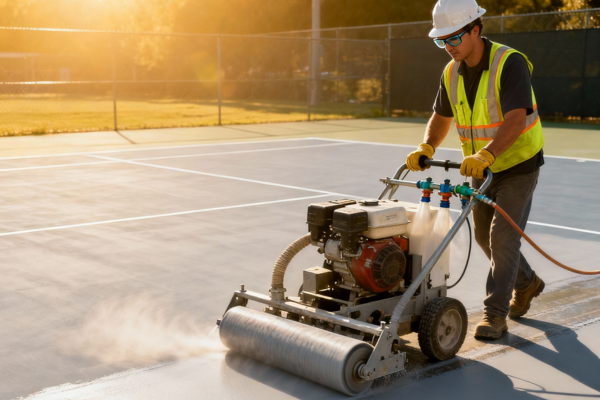
Professional resurfacing ensures that all underlying issues are properly addressed. Experienced contractors assess structural integrity, repair damage correctly, and apply high-quality coatings designed for long-term durability.
Explore full-service solutions from Pro Courts
Conclusion
Spring is the best time to evaluate your court and take action before minor issues turn into major repairs. Cracks, fading, drainage problems, and safety concerns are all signs that resurfacing may be needed.
Request a Free Quote from Pro Courts
If your court is showing signs of wear, Pro Courts provides expert court resurfacing in Kansas City tailored to your needs. From tennis and basketball courts to multi-sport surfaces, their team delivers reliable, long-lasting results.
Contact Pro Courts today to request a free quote and prepare your court for the season ahead.