
How to Choose the Right Location for Your Athletic Court in Kansas City
Why Location is Key for Athletic Court Installation

The placement of your athletic court affects its performance, safety, and longevity. In Kansas City, specific regional factors like weather conditions, soil quality, and city regulations must be considered. By understanding these local challenges and working with professionals like Pro Courts Kansas City, you can ensure your court is built for long-term success.
Some of the top factors to evaluate include:
Available space
Drainage and soil stability
Sun and wind exposure
Zoning regulations
Accessibility and lighting
Neighbor and community impact
1. Measure Your Space Accurately

The size of your court determines where it can fit on your property. Whether it’s a full-size basketball court or a compact backyard multi-sport area, accurate measurements are crucial.
Typical dimensions:
Full-size basketball court: 94 ft x 50 ft
Half-court basketball: 47 ft x 50 ft
Tennis court: 78 ft x 36 ft
Pickleball court: 44 ft x 20 ft
2. Evaluate Sunlight Direction and Shade

Proper court orientation can improve usability and comfort. Ideally, your court should run north to south to reduce sun glare during play, especially for basketball and tennis.
In Kansas City, the intensity of sunlight varies seasonally, making shading considerations even more important. Avoid locating courts near tall trees that can cast unpredictable shadows or drop debris onto the playing surface.
3. Check Drainage and Surface Grading

Poor drainage is one of the leading causes of court damage over time. Kansas City’s climate brings a fair amount of rain and snow, making effective water management essential.
Check for:
Proper slope for runoff (typically 1% minimum slope recommended)
Soil stability and compaction
Potential low spots where water can pool
A professional builder like Pro Courts will evaluate your site and, if needed, install an appropriate drainage system to protect the court surface. Visit our court construction page to learn more about our process.
4. Research Kansas City Zoning and HOA Requirements
Before construction begins, make sure your athletic court complies with all relevant zoning laws and neighborhood rules.
In Kansas City, property improvement projects are subject to zoning regulations that govern:
Setback distances from property lines
Maximum structure heights
Permitted land use for recreational installations
Lighting restrictions
You can view the city's zoning information through the City of Kansas City Planning Department. If you live in a neighborhood with a Homeowners Association (HOA), you’ll also need to check for any additional design or noise limitations.
Pro Courts can help you navigate the permitting process to ensure compliance from day one.
5. Consider Wind Exposure and Natural Barriers
Windy conditions can interfere with game play, particularly on tennis and pickleball courts. Positioning your court near natural windbreaks like fences, buildings, or trees (at a safe distance) can minimize interruptions.
Wind barriers like mesh fences or privacy screens can also be added during construction.
6. Plan for Lighting and Electrical Access
If you plan to use your court during evening hours, consider including lighting in your initial design. Kansas City zoning may regulate light direction and brightness, especially in residential areas.
Things to plan:
Type of lighting (LED sports lights are efficient and long-lasting)
Electrical access and wiring safety
Minimizing light spillover to neighboring properties
Talk to Pro Courts about lighting solutions tailored to Kansas City code requirements and your court usage needs.
7. Don’t Forget Access and Usability
Location affects how easily people can get to and from the court. Consider proximity to entrances, walkways, and driveways. If your court will be used for group play or events, leave room for seating, storage, or even a small viewing area.
Also think long-term: Is there space to add features like net systems, ball containment fencing, or benches later on?
Pro Courts provides customized layouts based on your needs. View some of our completed court projects in Kansas City for inspiration.
8. Work with Local Professionals
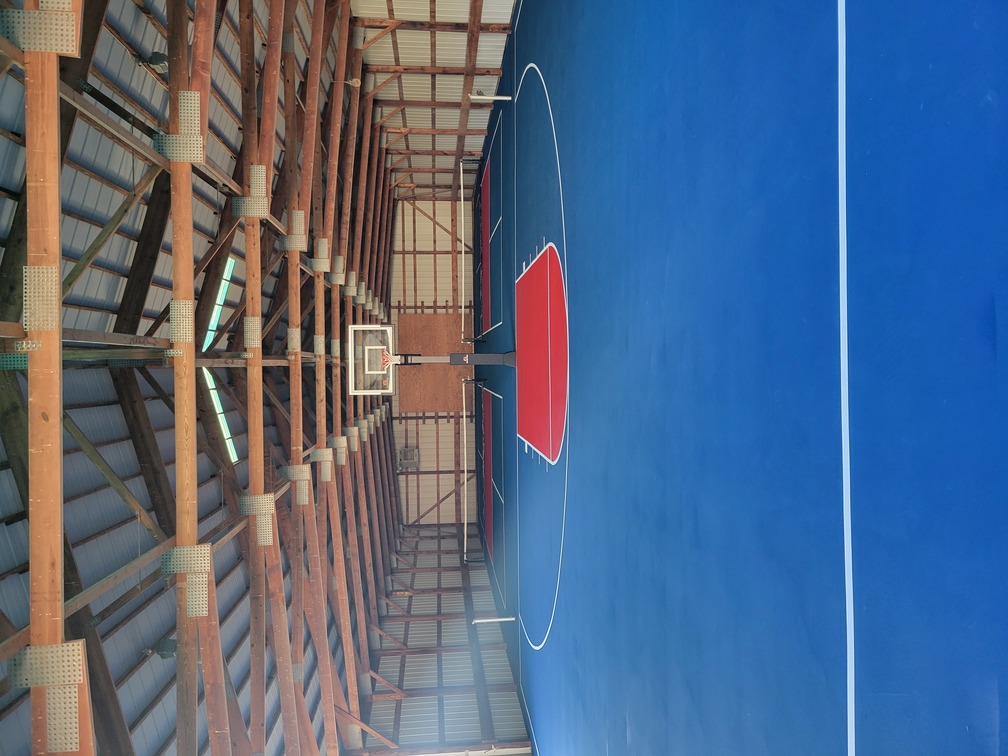
"Basketball court installation by pro courts in Kansas City"
Working with an experienced local installer ensures your court is built to last and meets all Kansas City requirements.
Why choose Pro Courts?
Knowledge of Kansas City zoning and weather challenges
Fully licensed and insured installers
Custom court designs for all sports
Quality materials and workmanship
Permitting and approval support
Explore our full range of athletic court services to see how we can help with design, construction, resurfacing, and more.
Your Court Location Checklist
Use this simple list to evaluate your potential court site:
Is the space large enough for your desired sport?
Does the location have proper sun orientation?
Is the area free from water pooling or erosion?
Are you following Kansas City zoning rules?
Is the area easily accessible and safe?
Are electrical and lighting needs being considered?
Are wind and noise minimized?
Have you consulted a professional installer?
If you answered “no” to any of the above, it’s worth speaking with our experts to get tailored advice.
FAQs
Q: Do I need a permit to build a court in Kansas City?
Yes, in most cases. The Kansas City Planning Department requires permits for new construction, especially if lighting or fencing is involved. Pro Courts manages all permits as part of our service.
Q: Can Pro Courts help with backyard courts?
Absolutely. We specialize in backyard basketball and multi-sport court installation throughout the Kansas City area.
Q: How long does court construction take?
Typically, 2–4 weeks depending on weather, permits, and project size.
Q: Do you offer free quotes?
Yes. Pro Courts offers free, no-obligation quotes. Visit our contact page to request one today.
Get a Free Quote from Pro Courts Kansas City
The right location sets the foundation for years of performance, safety, and enjoyment. Let Pro Courts help you choose and prepare the ideal site for your new athletic court. Our Kansas City-based team will evaluate your space, handle all permitting, and build a high-quality court tailored to your needs.
Ready to get started?
Request a Free Quote Today